How To Protect Website From Hackers
Websites are a strong pillar of online life. Every business has a website. For most businesses, it is the first contact point with customers and other stakeholders.
As technology advances, there are increasingly more people online. Interacting on websites and sharing details on their lives and much more. This makes some websites repositories of people’s lives. Making them a target of hackers, who may want to steal people’s information.
How to Stop Hackers?
As a website owner, you can use the following methods to stop hackers from getting through to your website.
Secure Access To Your Website
You can stop your website from being hacked by having secure access to your website. Like everything online, you need a username and password to access your website. These are your first line of defense against hackers and unwanted intrusion.
First, always ensure that you keep your password private. Many times, our usernames can be replaced with our email addresses to acquire access. But if both the username and password don't match, you can't access your website. So, keep your password private.
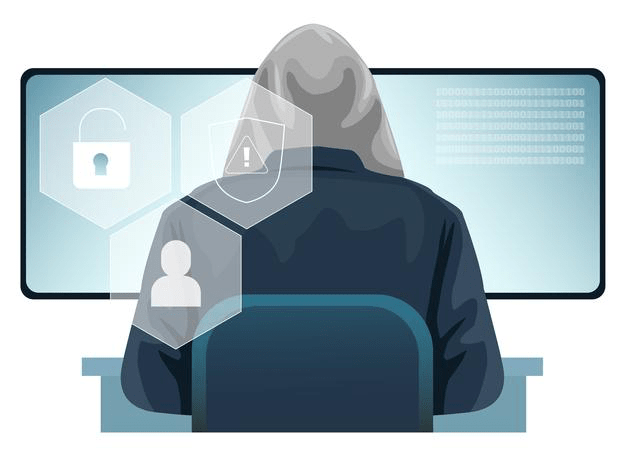
Secondly, you need to set strong passwords. A strong password is composed of both uppercase and lowercase letters, numbers, and symbols. Hackers use machines and technology that can guess passwords to access your websites. Passwords with these features are much harder to crack.
The third way to secure access to your website is by using the two-factor authentication method. This means that there are two steps to access your website. After you have punched in your username and password, the website system sends an authentication text to your phone or email.
Fourth, and very important, do not use the same password on all your websites. Once a hacker knows your password, they can easily access any other online asset you own.
Update Your Computer’s Antivirus Software
Make sure that your device's antivirus is always updated. This ensures that you don't download links from hackers on malicious websites or emails.
Many times, hackers will send you emails with malicious links. Once you click on the link, you may download malicious and harmful software from hackers. Software that enables them to monitor and control your device remotely.
Thus, every keystroke you make is monitored and recorded. This will help the hackers acquire your usernames and passwords.
Always update your antivirus to help detect and block malicious links and websites.
Use Website Protection Software
Your computer antivirus software helps to protect your devices. Go further and sign up for a website protection service. Extra security online is always better than little or no security.
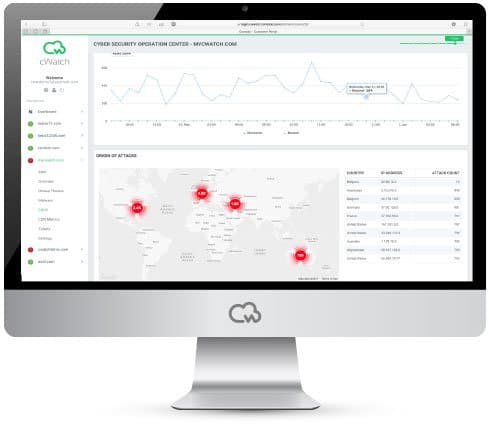
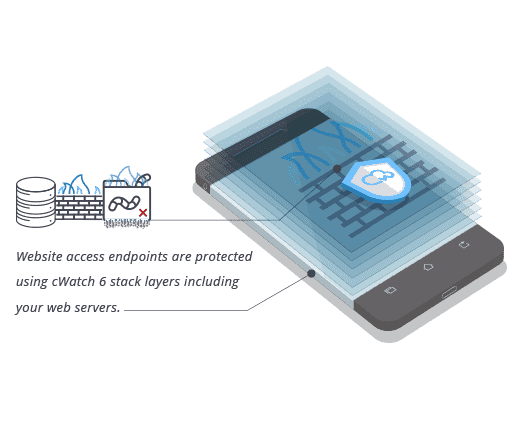
A website protection software protects your website from hacking. It detects hack attacks as they occur and repulses them. It also removes any malware that may be present on your website. Hackers can use this malware to access your website.
Website protection software is developed by website security companies. Using this product ensures that you have professionals monitoring and guarding your website against hackers 24/7.
Use Secure Forms
If your website collects visitor information, make sure that the forms you use are secure. First, make sure that data entered can be verified easily. Set fields that require numbers, dates, and words on the form. This ensures that only the right information is filled in.
Second, use the Captcha feature. Many people don't like the Captcha feature and see it as a waste of time. As a website owner, it is your watchman from malicious bots trying to access your website by entering malicious code.
Hackers can use forms to send viruses and malware to your website. This is why you need to take extra precautions when using forms on your website.
Adopt HTTPS Protocols On Your Website
HTTPS is the accepted security protocol for websites. When your website is not using HTTPS protocols even search engines identify it as unsafe. For example, Google won't allow visitors to your website without warning them it is unsafe.
HTTPS protocols ensure that your website is encoded. Making it hard to hack. Visitors to your website also feel safe, knowing that their information is not at risk of theft.
How to Secure and Protect yourself from Hackers?
With these methods and more, site hackers can be stopped. Website owners should keep up with technology changes to ensure that their websites are safe. Strong access passwords help to keep your website and information safe. 24/7 always-on scanning from website security services makes sure that your website is safe. Detecting and blocking any hack attempts on it.
Related Article